Destinations
Morocco, France and Spain
Three countries close enough to combine into one trip. Here is what each one is actually like, what it costs, and where everything sits on a map.
Interactive — drag and zoom the map
The nine-mile gap
This map is centred on the Strait of Gibraltar, the short stretch of water separating Europe from Africa. Drag it, zoom in and out, and you can see how tightly these three countries are packed together — Morocco below, Spain immediately above, and France a short run further north. It is a real map, not a picture of one, so it works exactly like any other Google Map.
01 — Morocco
Blue towns, walled markets and a great deal of sand
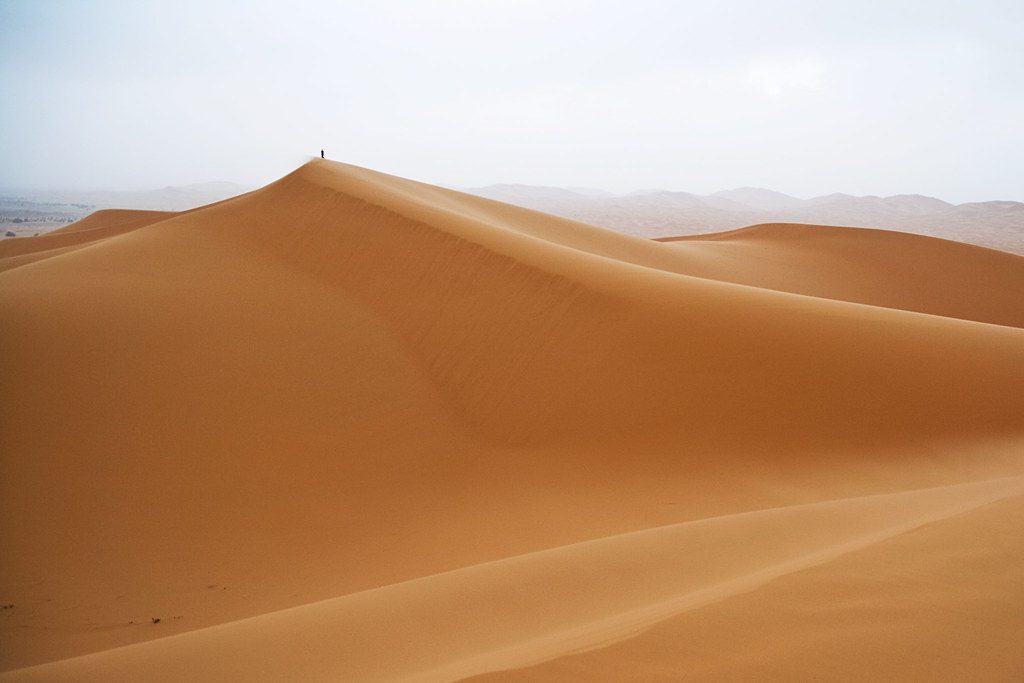
Morocco is the country on this list that surprises people the most, usually because they arrive expecting one thing and find about six. The north is green and mountainous. The centre is red-walled imperial cities. The south runs out into the Sahara. You can be in cedar forest in the morning and standing on a dune at sunset, and the drive between them is genuinely one of the best things about the country.
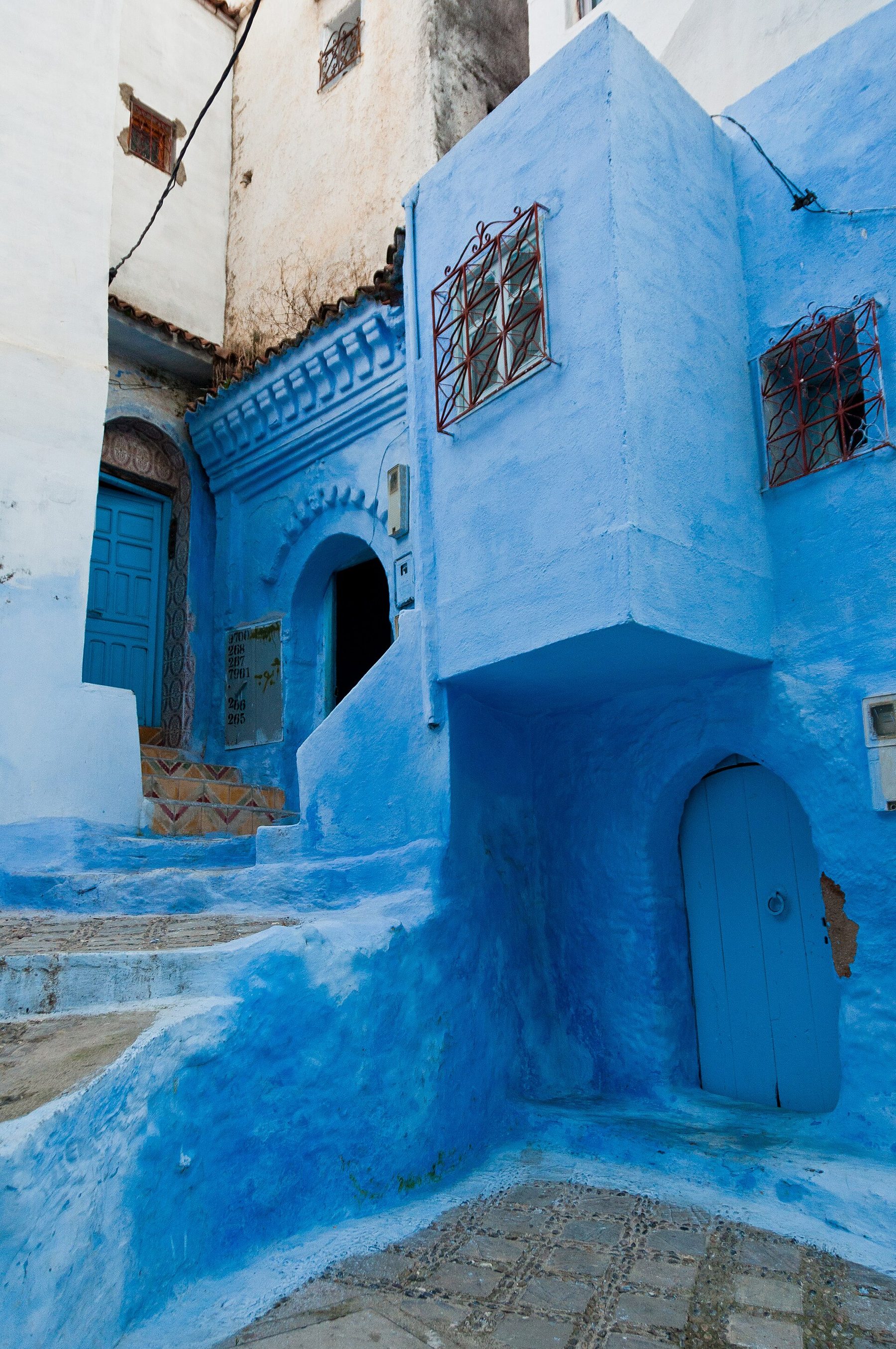
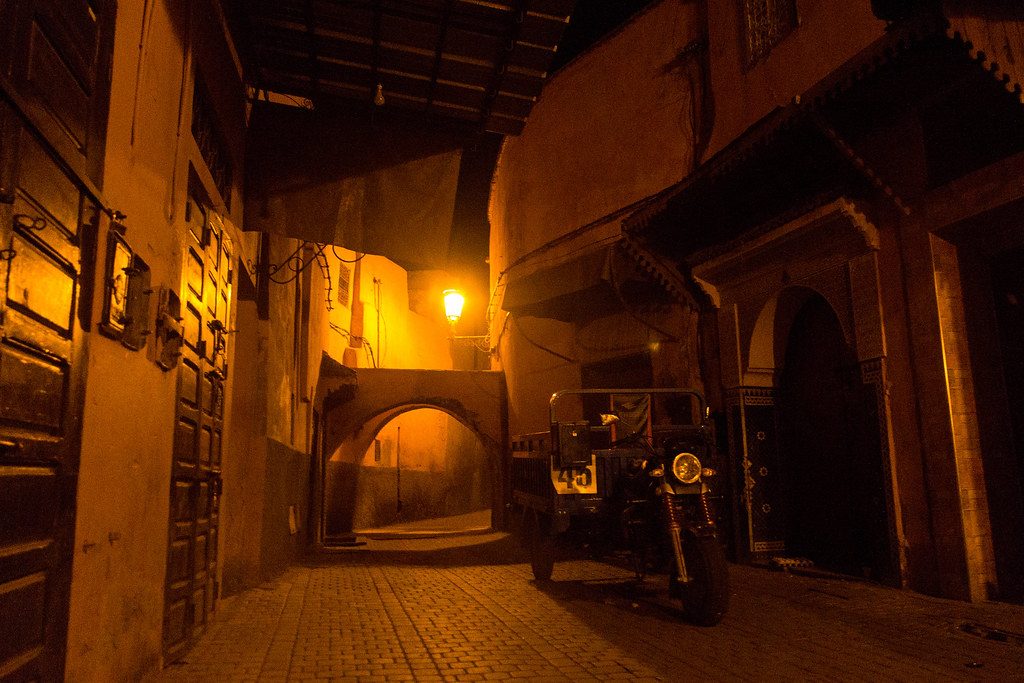
Chefchaouen, up in the Rif mountains, is the town in the photographs — every wall, step and doorframe painted some version of blue, and repainted by hand each year. It is small enough to walk end to end in an afternoon, which makes it a good first stop while you adjust. Marrakech is the opposite: a walled medina that has functioned as a working market for roughly nine hundred years, where the workshops and the shopfronts are frequently the same room. It is loud, it is relentless, and it rewards patience.
Practical notes that matter more here than elsewhere. Bargaining is expected in the souks and is not rude — walking away is a normal part of it. Fridays are quiet because of prayers, and many smaller places close. Cash is still king outside hotels. And the mint tea is not optional; refusing the second glass takes more social skill than most visitors have. The official tourism board at visitmorocco.com is a reasonable starting point for regions I have not covered.
02 — France
Paris earns it, but the countryside makes the argument
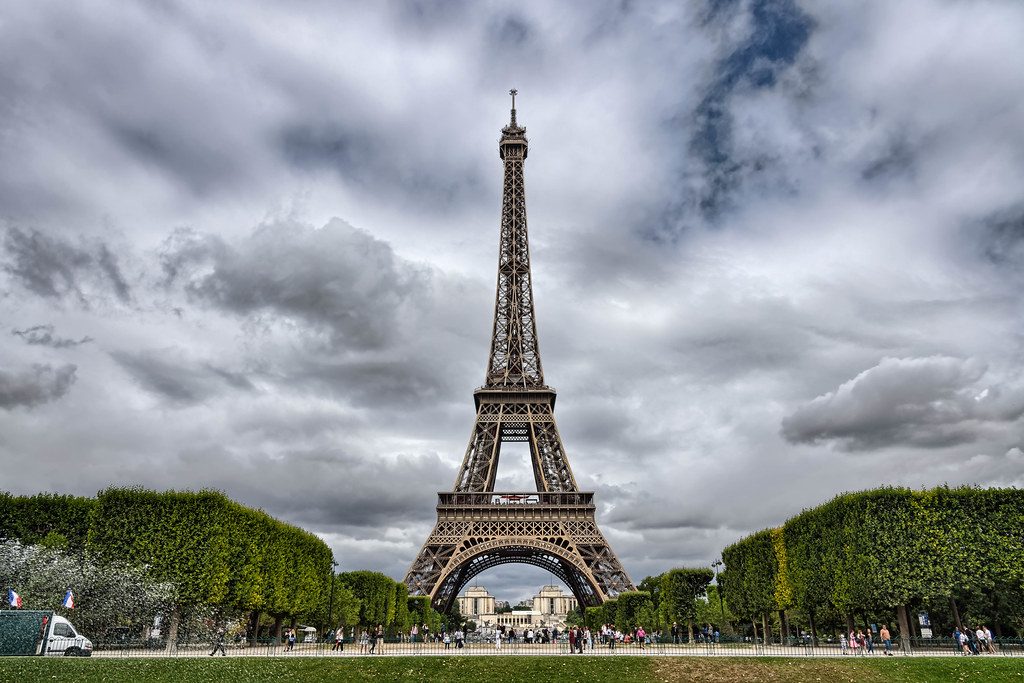
Paris deserves its reputation and there is no point pretending otherwise. The Eiffel Tower was built as a temporary piece for the 1889 World’s Fair, was widely disliked by the city’s artists, and was nearly dismantled twenty years later — it survived largely because it turned out to be a useful radio mast. That is a fairly good summary of Paris in general: things that were supposed to be practical became beautiful, and then became the point.
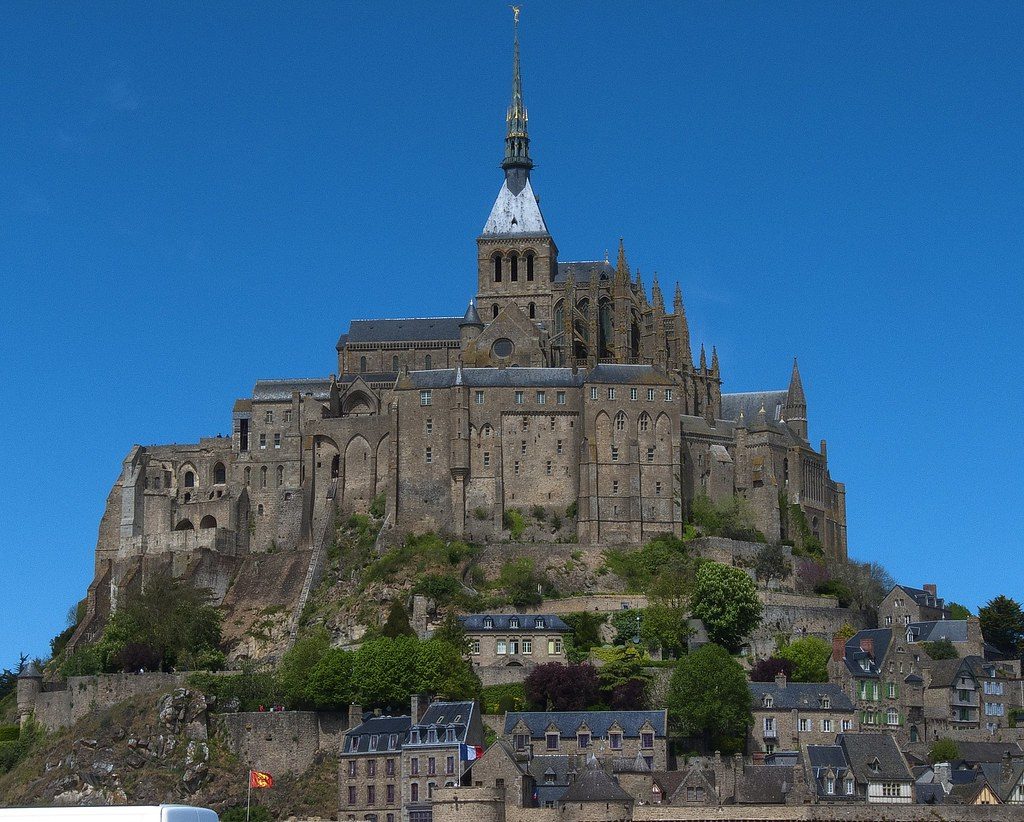
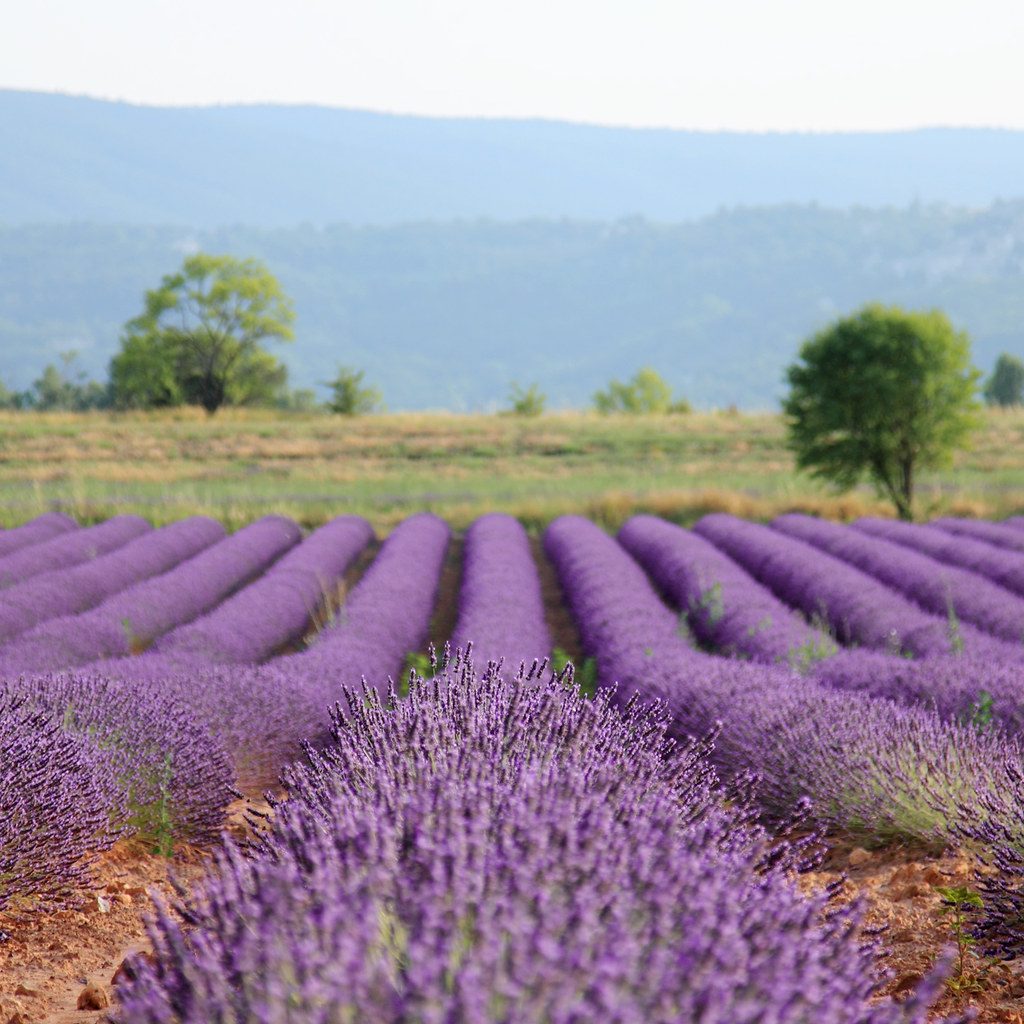
But the case for France is strongest outside the capital. Mont Saint-Michel is an abbey on a tidal island in Normandy, cut off by water at high tide and reachable across sand at low tide, and it looks improbable even when you are standing in front of it. Provence in early July is the lavender everyone has seen photographs of — and the timing genuinely matters, because the fields are harvested mid-July and the purple disappears within days of the cut.
France runs on its own clock and fighting it is a losing game. Lunch is a real institution, many places shut properly in the afternoon, and turning up hungry at six in the evening is how visitors end up eating badly. Trains are excellent and usually beat flying for anything inside the country. The national tourism site france.fr is genuinely useful for regional planning.
03 — Spain
An unfinished basilica and a palace built like a poem
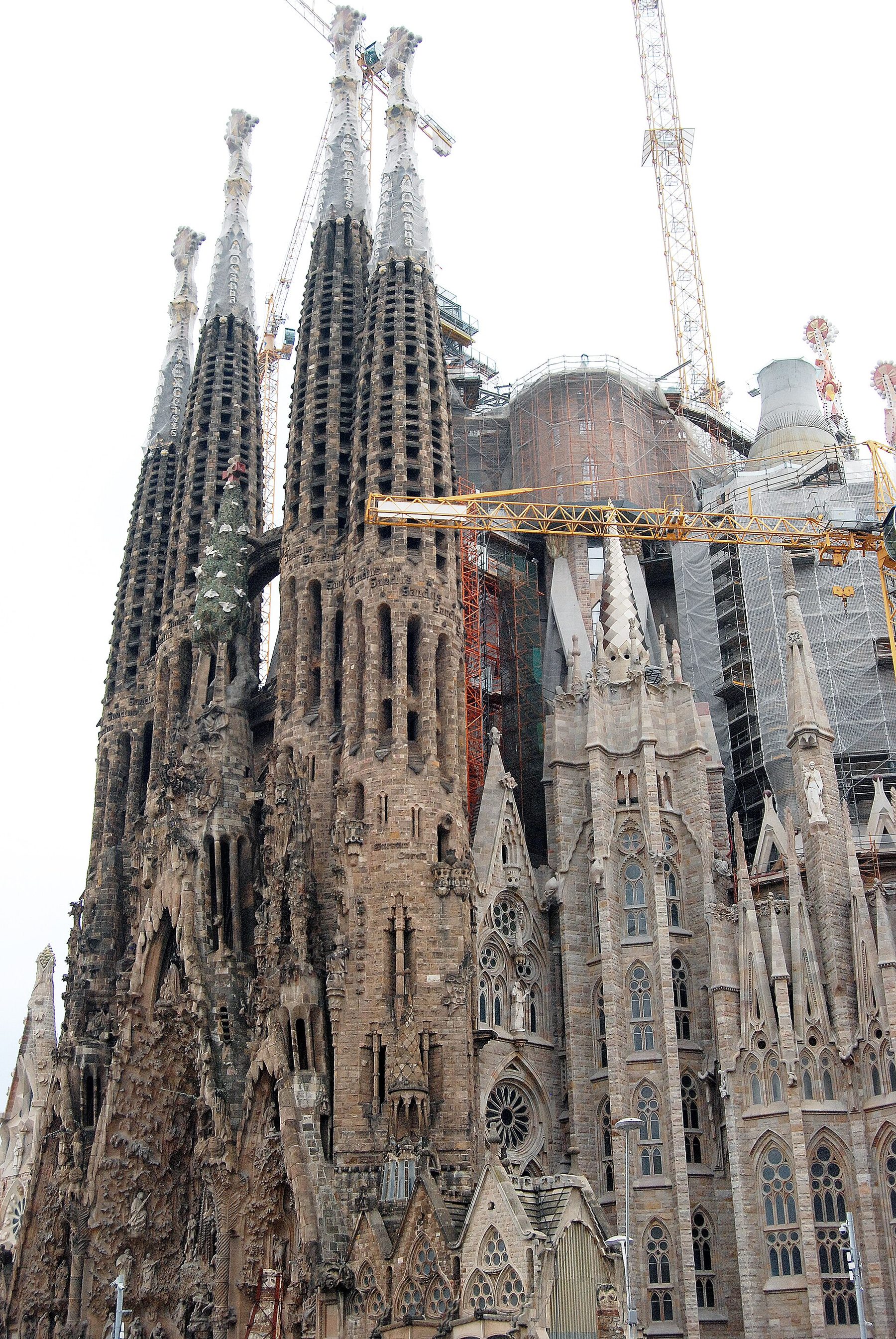
Barcelona’s Sagrada Família has been under construction since 1882. Gaudí died in 1926 with the thing nowhere near finished, and it is still not finished now — the cranes in every photograph are not a temporary inconvenience, they are part of the building’s identity. Standing inside is the part people are unprepared for: the columns branch like trees and the stained glass throws colour across the floor that shifts completely between morning and afternoon.
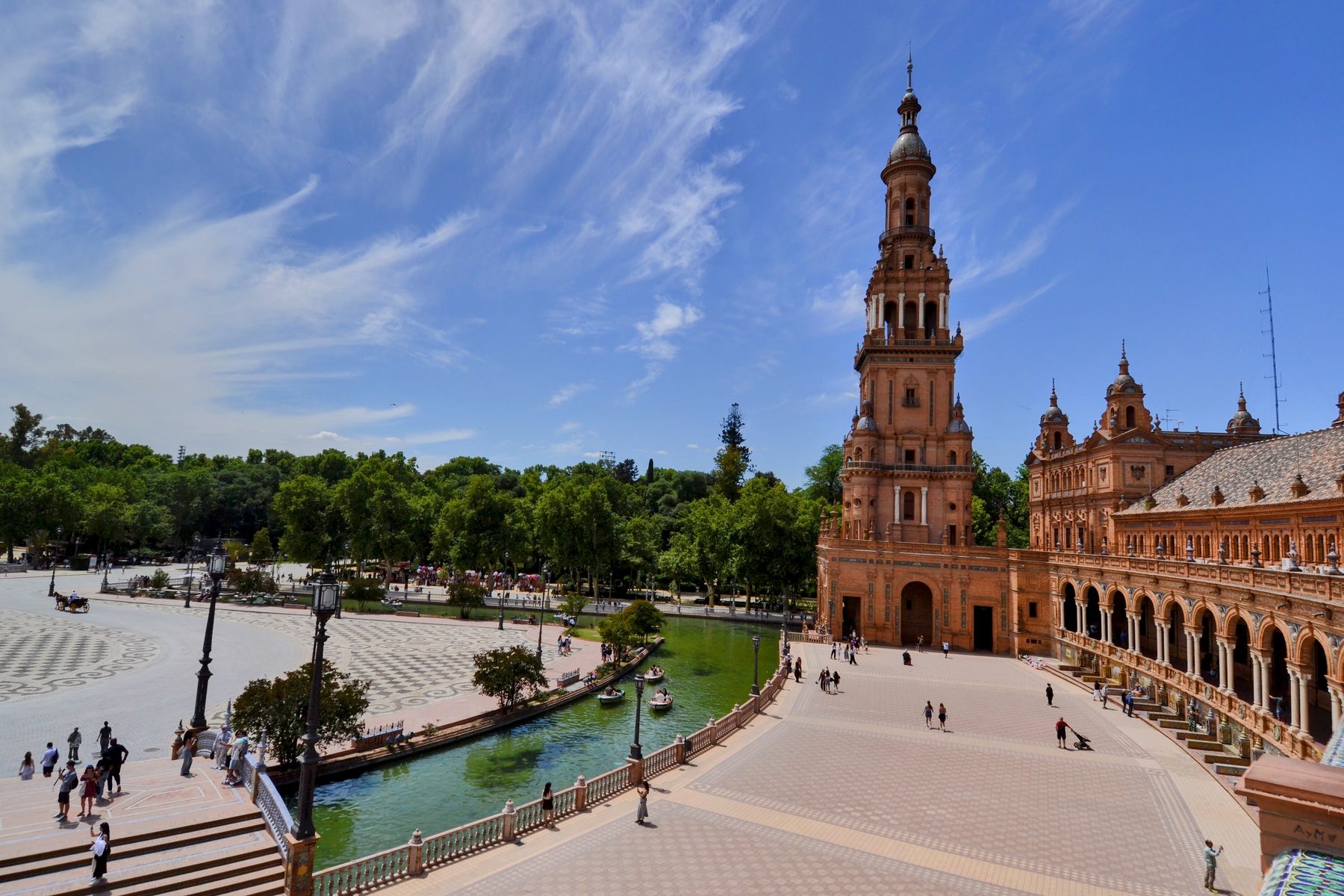
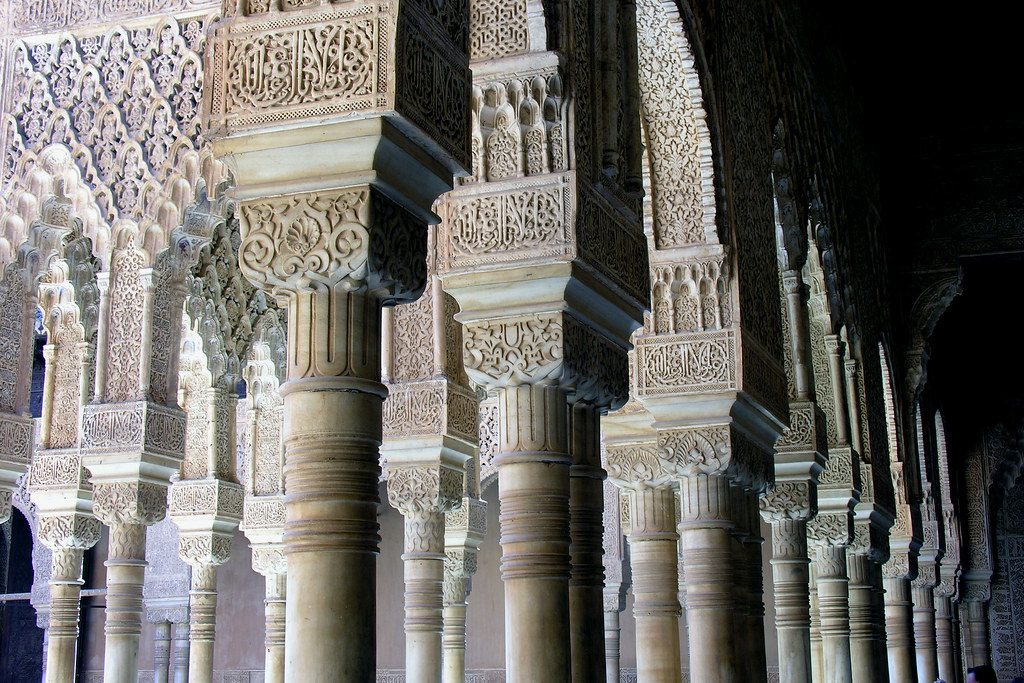
Granada’s Alhambra is the other essential. It is a fortress and palace complex built under the Nasrid dynasty, and the interiors are covered in carved plaster and tile geometry so fine it reads as texture until you get close. Much of the decoration is Arabic calligraphy repeated thousands of times. Seville rounds it out with the Plaza de España, a semicircular brick colonnade with its own canal, built for a 1929 exhibition and now the most photographed square in Andalusia.
The connection to Morocco is impossible to miss once you have seen both. Southern Spain was under Muslim rule for centuries, and the courtyards, the tilework and the water channels in Andalusia are solving the same problems — heat, light, privacy — with the same vocabulary you see in a Moroccan riad. Book the Alhambra weeks ahead; it caps daily numbers and sells out. spain.info is the official tourism portal.
Interactive — move the sliders
What would this actually cost?
Pick a country, a length, a group size and a travel style. The estimate updates instantly.
Your trip
—
Rough planning figures in US dollars, assuming two people share a room. Real prices move with season and how far ahead you book. Treat this as a starting point, not a quote.