01
Morocco
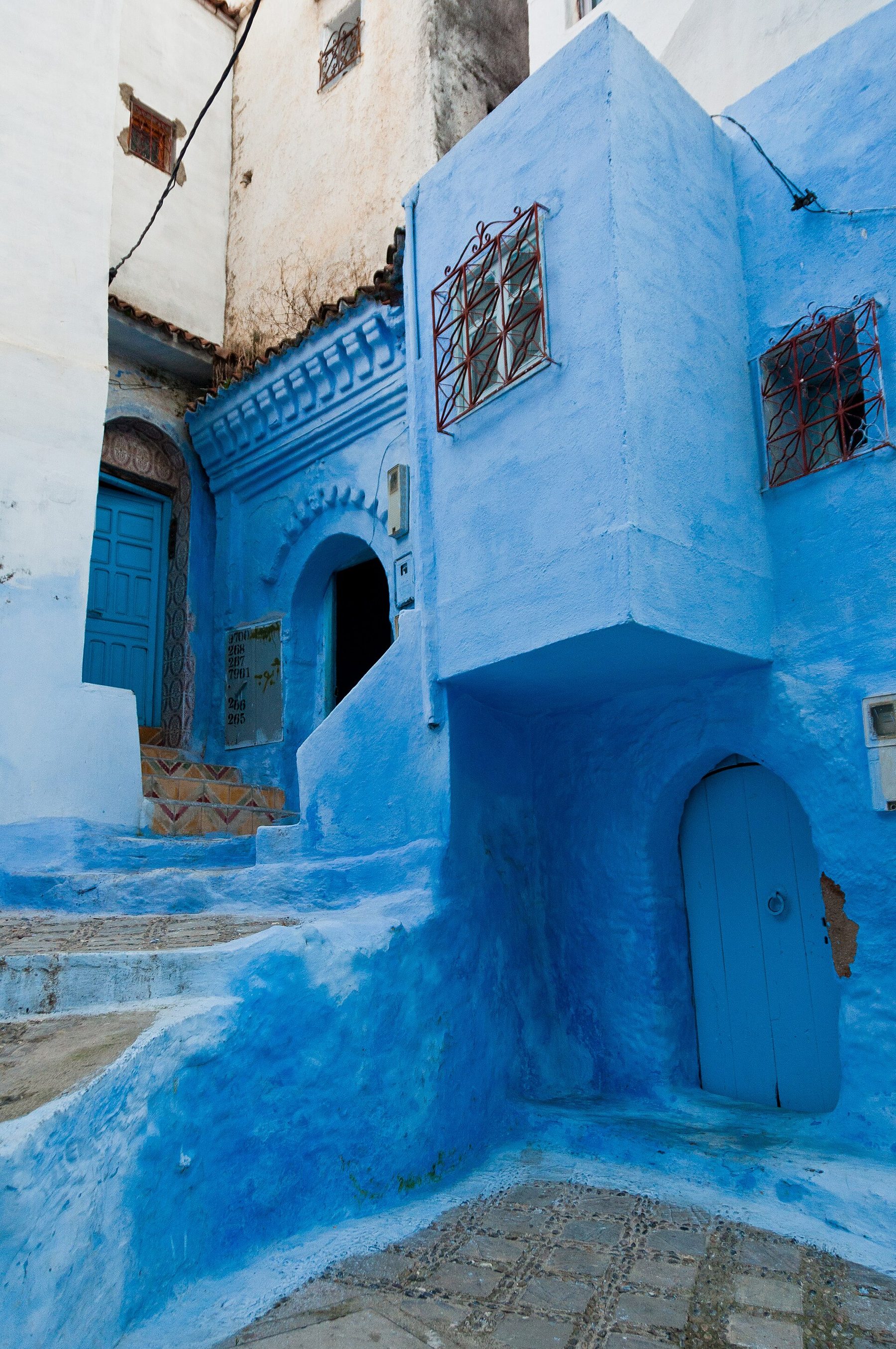
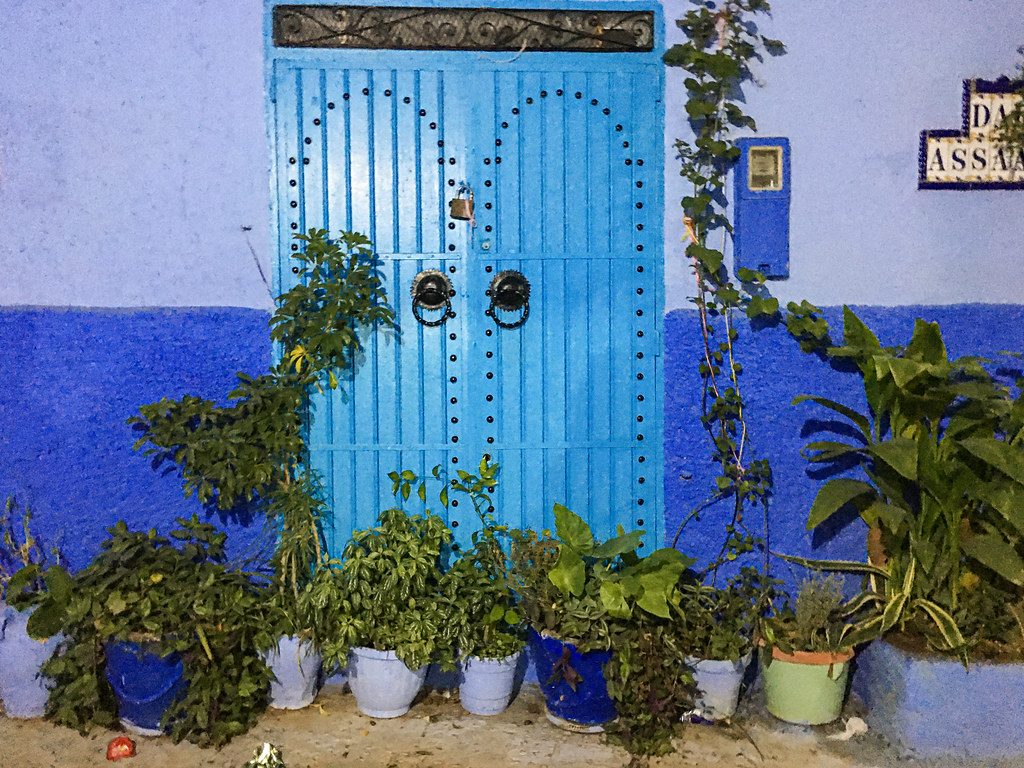
Blue mountain towns, a walled market city that has run continuously for nine hundred years, and dunes big enough to lose a building in.
Read about Morocco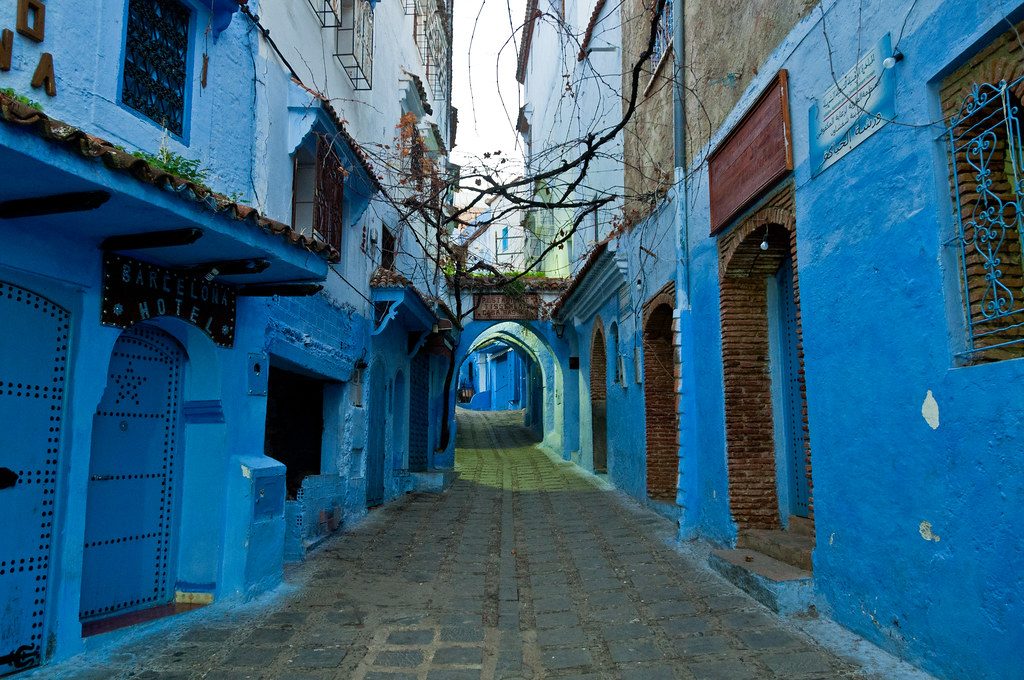
A personal travel journal
Morocco, France and Spain sit close enough together to visit in a single trip, share the same stretch of water, and still manage to feel like three different worlds. This is where I keep what I learn about them.
Why these three
At its narrowest, the Strait of Gibraltar is about nine miles across. You can stand on the Spanish shore on a clear afternoon and see the hills of Morocco on the other side. That short gap has carried armies, traders, languages and recipes back and forth for thousands of years, and you can still taste the results on both sides of it — in the tilework of Andalusia, in the mint tea of Tangier, in the way a Spanish courtyard and a Moroccan riad solve exactly the same problem of heat and privacy in almost exactly the same way.
France sits just above all of it, close enough that a train from Barcelona reaches the French border in a couple of hours, and different enough that it feels like changing continents rather than countries. Between the three of them you get desert dunes and lavender fields, Gothic cathedrals and mud-brick kasbahs, and food traditions that argue with each other in the best possible way. That range is the whole reason I put these three together instead of picking one.
This site is organised the way I actually plan a trip. The Destinations page has the specifics for each country, a map you can drag around, and a budget tool that gives you a realistic number before you start booking anything. The About page explains who I am and has a packing checklist you can download. If you have been to any of these places and I have got something wrong, the Contact page is there for exactly that.
Interactive — click through the gallery
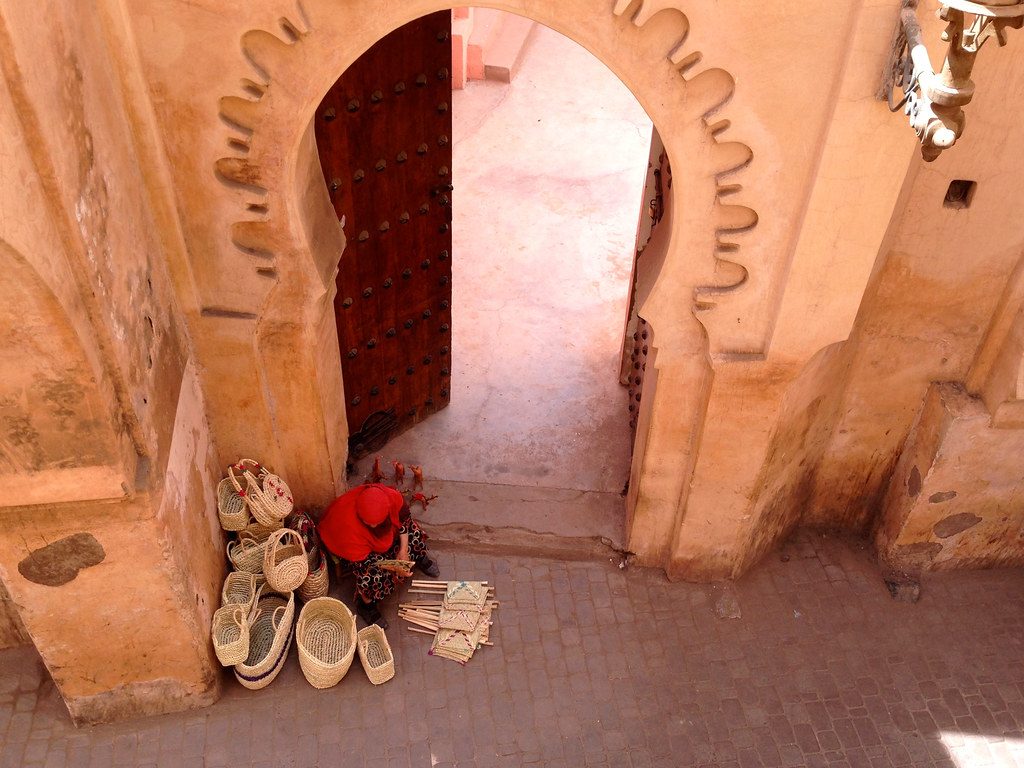
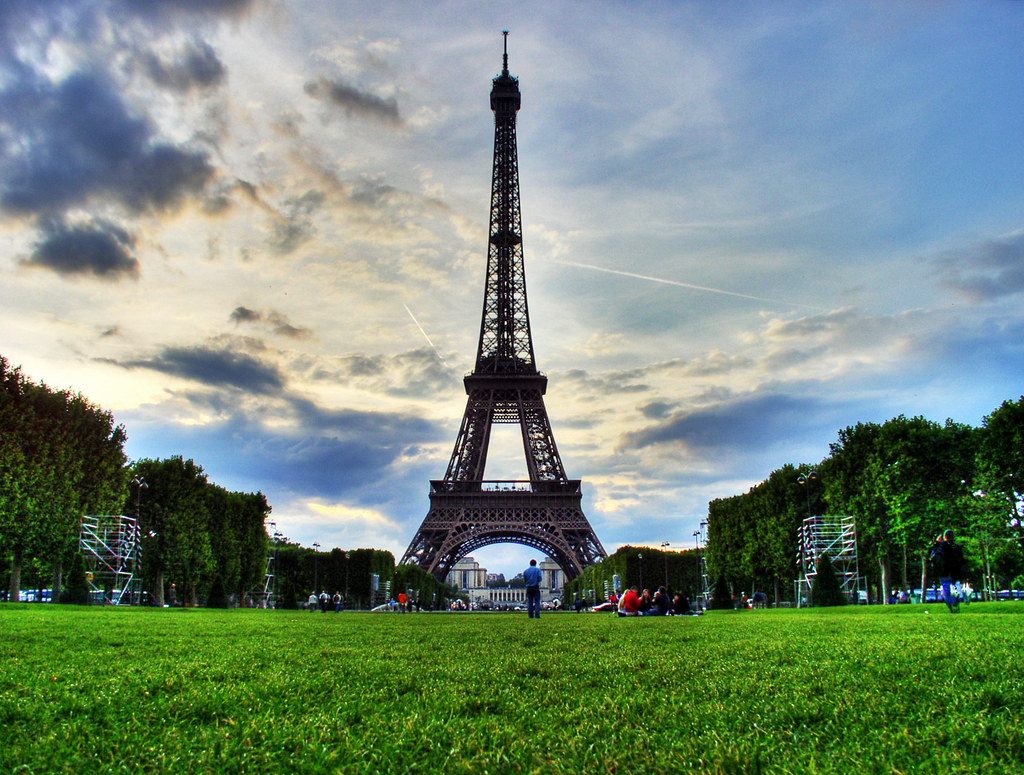
Use the arrows, the dots, or your keyboard’s left and right keys to move through the gallery.
Interactive — press play
Photographs freeze a place at its best moment. Video is less flattering and more useful, because it shows you the pace — how crowded a square actually is, how fast the light changes, how much walking is involved. This short film runs Spain and Morocco back to back, with a stretch of Portugal in between, and it covers the same ground as most of this site. It plays right here on the page; press the play button and it starts without sending you anywhere else.
The part worth watching for is the transition. Crossing the strait is a short journey by any measure, but the change on the other side is not gradual — the architecture, the street noise, the colour of the buildings and the shape of the day all shift at once. That contrast is the entire argument for combining these countries into one trip rather than treating them as separate holidays.
The other thing video gets across that a still image cannot is scale. The Sahara looks like an abstract pattern in a photograph and like something genuinely intimidating in motion. The medina of Marrakech reads as picturesque in a frame and as a working city the moment anything moves. Watch it before you decide how many days each place deserves.
Video: “Highlights of Spain, Portugal with Morocco” by Thomas Cook India, embedded from YouTube.
Where to start
Blue mountain towns, a walled market city that has run continuously for nine hundred years, and dunes big enough to lose a building in.
Read about Morocco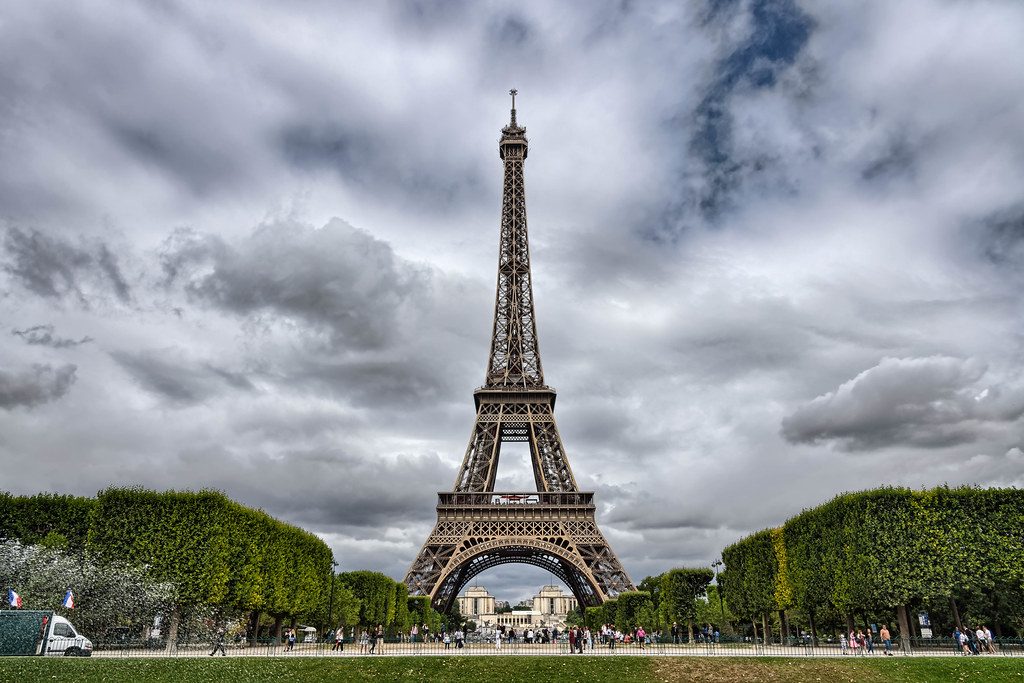
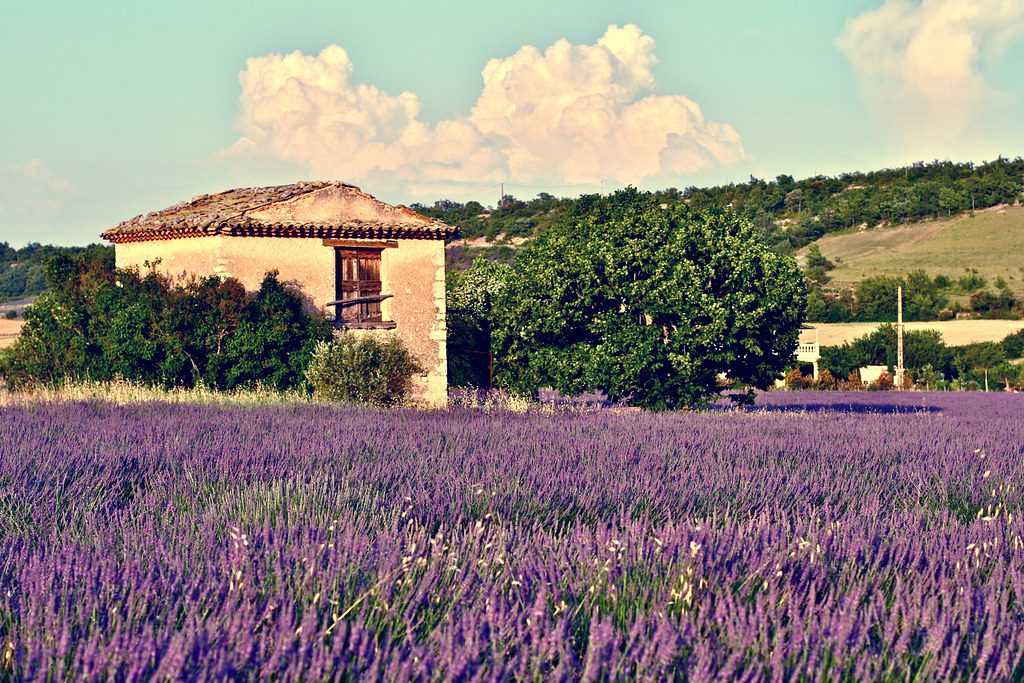
Paris is the obvious answer and it earns it, but the lavender of Provence and a tidal island abbey in Normandy make the stronger case.
Read about France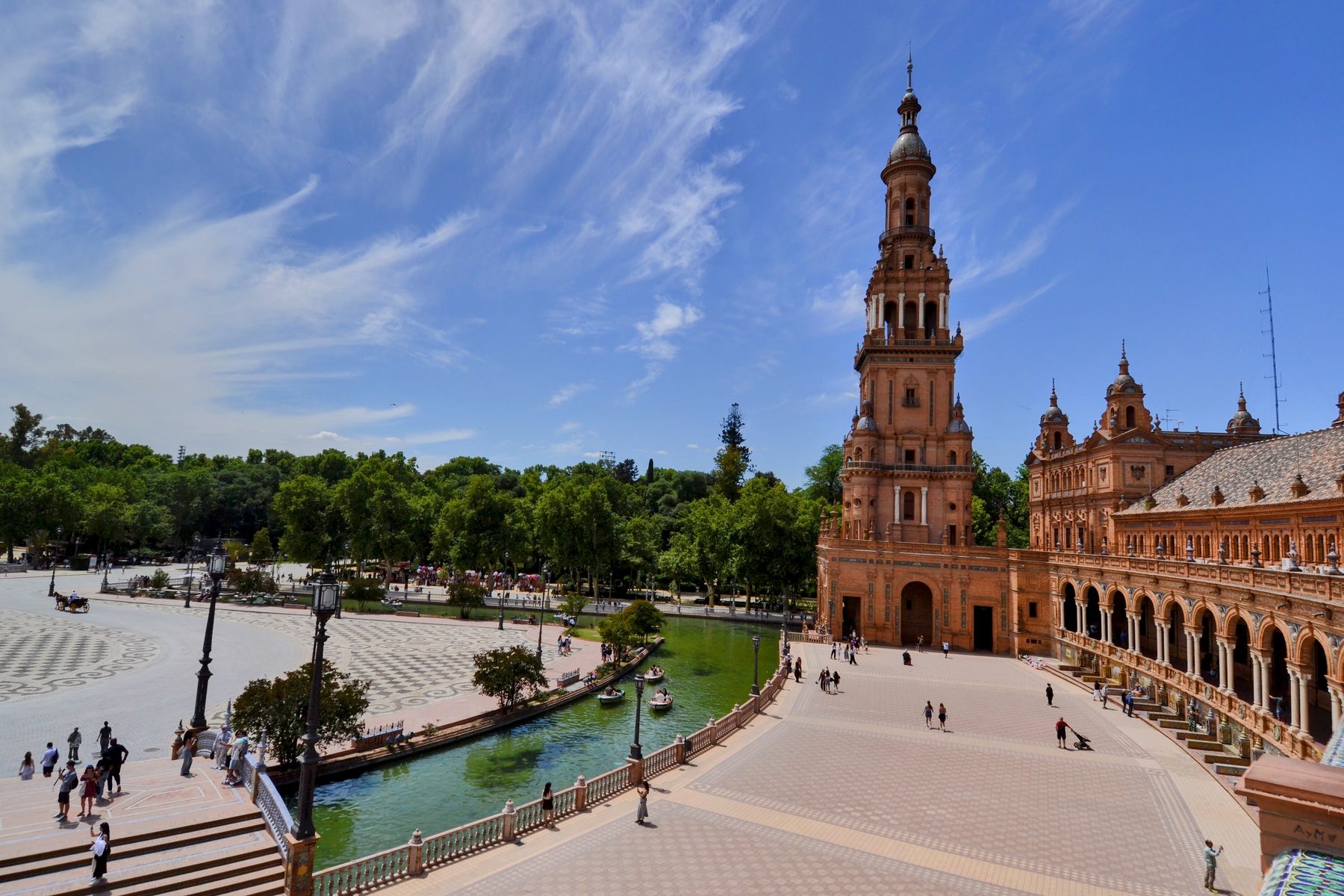
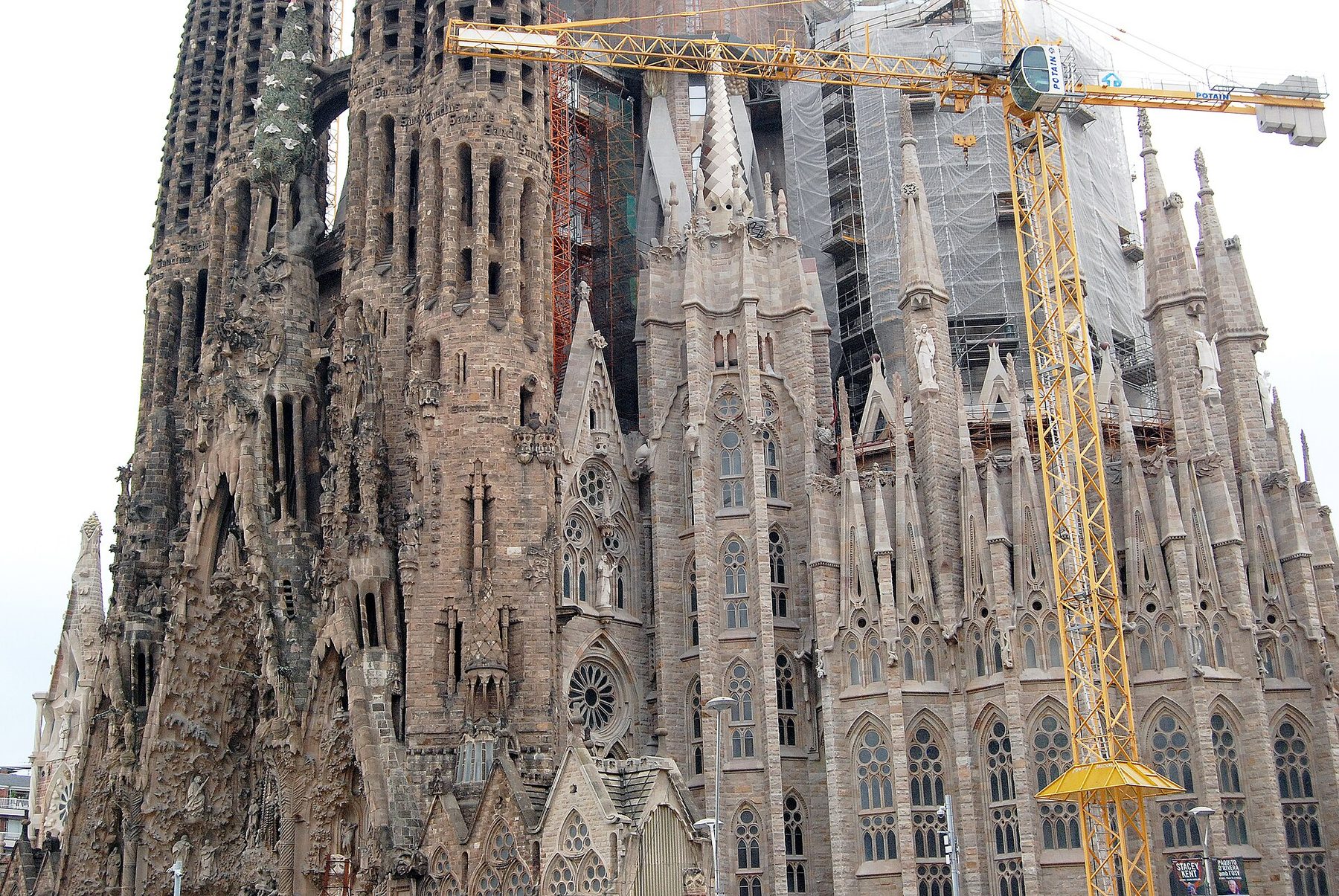
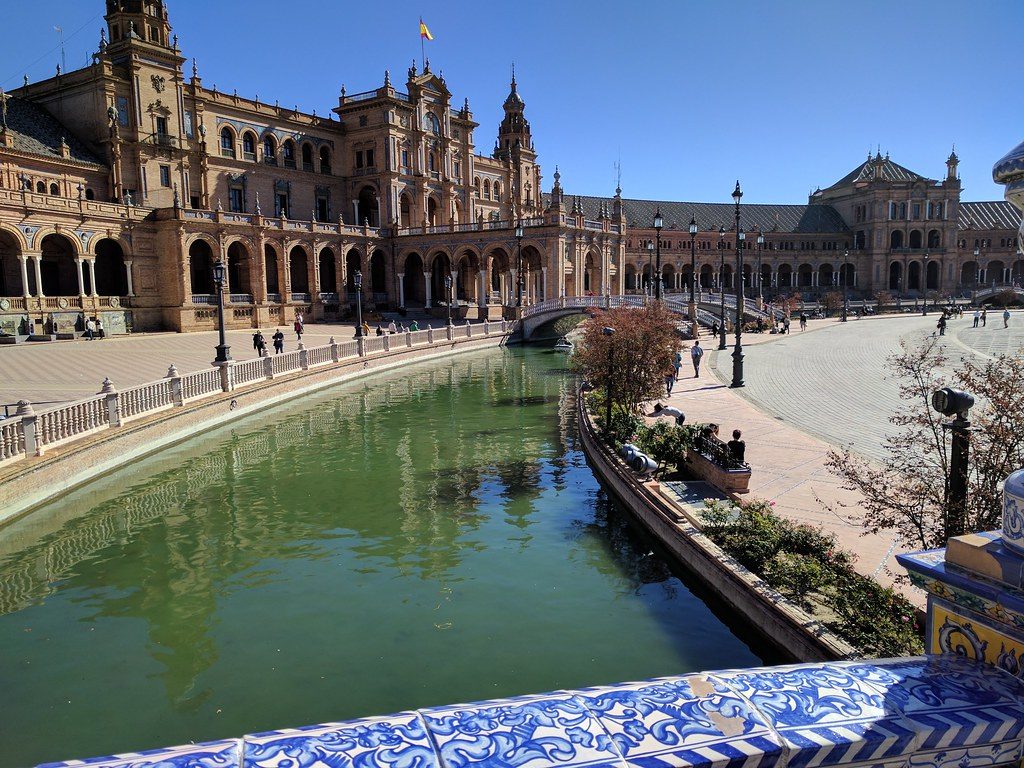
An unfinished basilica in Barcelona, a palace in Granada built as a poem in plaster, and the best square in Andalusia.
Read about SpainThe list I work from before every trip — two pages, printable, organised by category, with a week-before countdown.